If you have lived in Simi Valley for any length of time, you have undoubtedly noticed the stubborn, chalky white residue crusting around your bathroom faucets, the cloudy spots clouding freshly washed wine glasses, or the dry, itchy sensation on your skin after taking a warm shower. These are not minor cosmetic annoyances—they are the unmistakable hallmarks of severe hard water.
Simi Valley is recognized by regional municipal water agencies as having some of the hardest residential tap water in Southern California. While this dissolved mineral content is safe according to federal drinking water guidelines, it wreaks quiet, relentless havoc on household plumbing infrastructure, tank and tankless water heaters, modern appliances, and monthly energy bills.
At BT Plumbing CO, our licensed local contractors receive calls every week from homeowners battling calcified fixtures, burst pipes, and premature heater burnouts. In this comprehensive homeowner guide, we break down local hardness measurements, explain how mineral buildup destroys your plumbing lines, and help you select the most effective water conditioning technology to safeguard your Ventura County residence.
Understanding Simi Valley Water Hardness Levels
Water "hardness" is determined by the concentration of dissolved multivalent minerals—predominantly calcium (Ca2+) and magnesium (Mg2+)—per unit of water. When water travels across regional limestone bedrock, mineral aquifers, and the Sierra Nevada mountain runoff before reaching our valley, it dissolves high volumes of these mineral ions.
Simi Valley receives its municipal water supply primarily through two entities: the City of Simi Valley Waterworks District No. 8 and Golden State Water Company. Both providers import treated water from the Calleguas Municipal Water District (sourced via Metropolitan Water District's State Water Project and Colorado River Aqueduct) and blend it with deep local groundwater wells.
📊 Official Hardness Classification (USGS vs. Simi Valley)
The United States Geological Survey (USGS) establishes the following standard classification for water hardness:
- Soft: 0 to 3.5 GPG (0 to 60 mg/L)
- Moderate: 3.5 to 7.0 GPG (61 to 120 mg/L)
- Hard: 7.0 to 10.5 GPG (121 to 180 mg/L)
- Very Hard: Over 10.5 GPG (Over 180 mg/L)
Where Simi Valley Stands: Municipal water testing in Simi Valley routinely records hardness ratings between 15 and 28+ GPG (260 to 480+ mg/L). This puts local tap water in the extreme upper tier of the "Very Hard" classification—more than double the national threshold for severe hardness.
Because ground water pumping increases during dry summer months and drought periods, mineral hardness in Simi Valley fluctuates seasonally, occasionally spiking even higher in neighborhoods drawing heavily from local well blends.
6 Telltale Signs of Hard Water in Your Home
Dissolved minerals are invisible when running from the tap, but as soon as water evaporates or is heated, calcium and magnesium precipitate out of solution, transforming into rock-hard calcium carbonate (limescale). Keep an eye out for these everyday indicators:
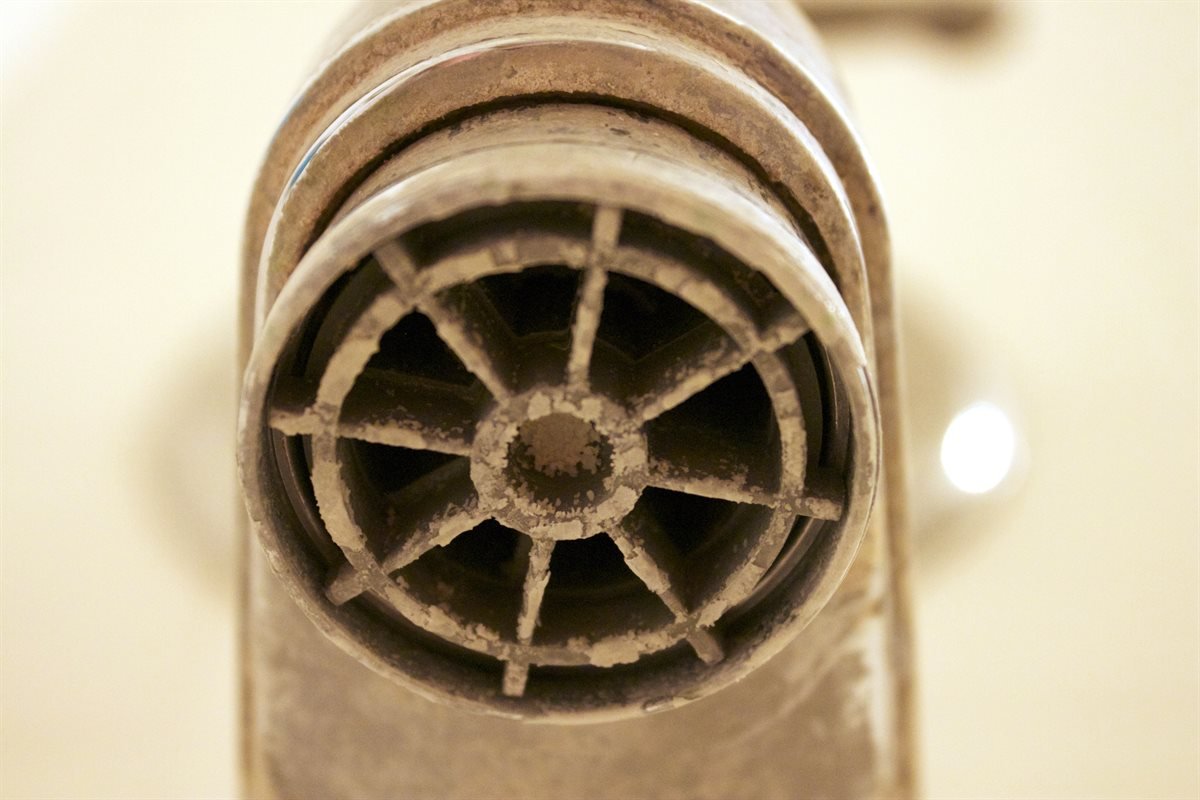
- Crusty Limescale on Fixtures: White, greenish, or yellowish deposits clinging tenaciously to faucet aerators, showerheads, and toilet rims.
- Spotty Glassware & Dull Dishes: Milky white haze or water droplets etched into glassware and silverware straight out of the dishwasher cycle.
- Soap Scum & Ineffective Lathering: Hand soap, shampoo, and laundry detergents struggle to foam, requiring twice as much product to achieve a clean feel.
- Dry Skin & Brittle Hair: Mineral residue strips natural oils from your scalp and skin, aggravating eczema and leaving hair feeling straw-like.
- Water Heater "Kettling" & Rumbling: Popping, clicking, or banging noises emanating from your water heater tank as trapped steam boils under thick mineral sediment layers.
- Plummeting Water Pressure: Gradually narrowing water pipe interior diameters and clogged showerhead nozzles choking your shower's output.
How Hard Water Destroys Your Home's Plumbing Infrastructure
While spotted drinking glasses are annoying, the real financial danger of Simi Valley's mineral-rich water occurs out of sight inside your closed plumbing systems and expensive appliances.
1. Premature Water Heater Failure
Heating hard water accelerates mineral precipitation exponentially. In tank water heaters, calcium deposits settle to the bottom, creating a dense insulating barrier between the heating burner and the water. In tankless water heaters, mineral scale coats the narrow heat exchanger fins.
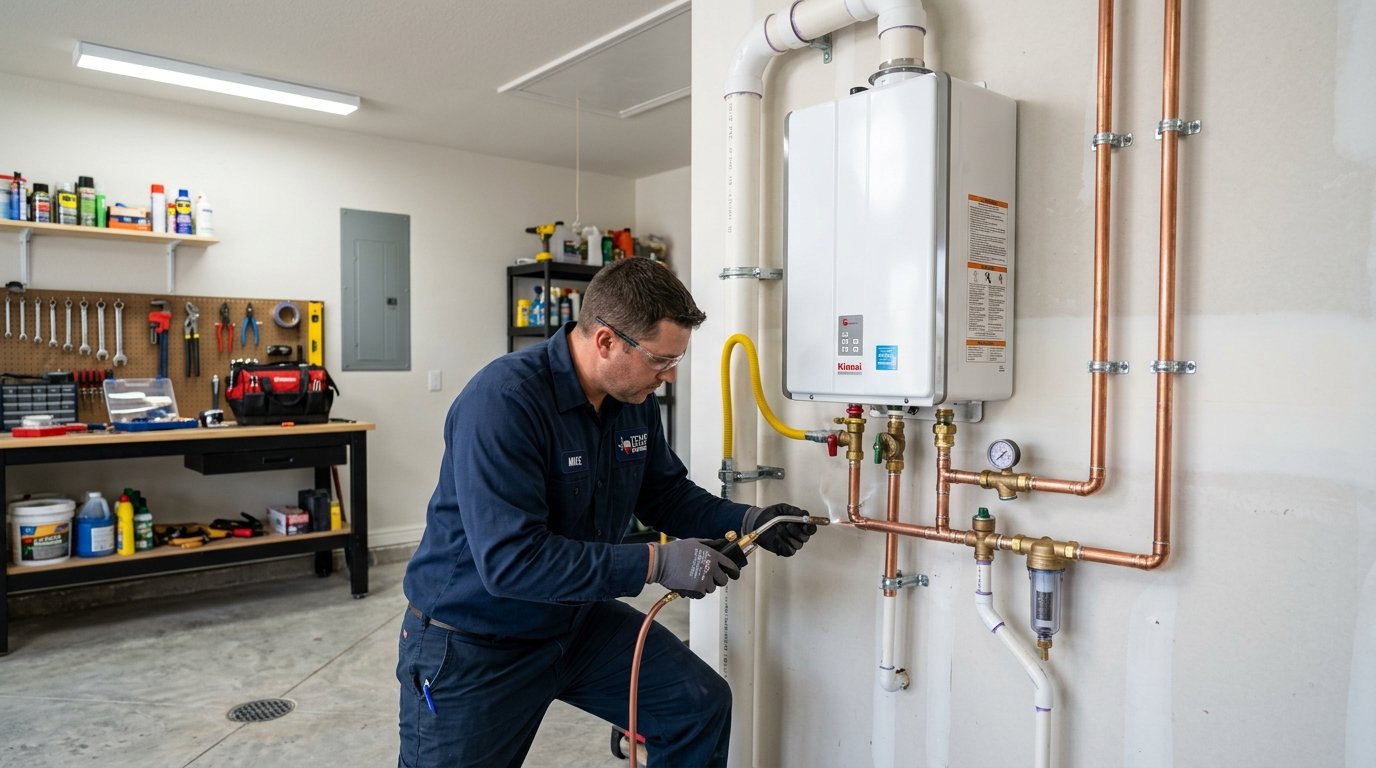
Just 1/8 inch of scale buildup can reduce water heater efficiency by up to 25–30%, forcing the burner or electric element to run significantly longer to heat the water. Over time, hotspots develop beneath the sediment layer, weakening the steel tank and causing premature rupture or catastrophic flooding. If your unit is banging or struggling to produce hot water, schedule an evaluation with our water heater installation and repair team before the tank splits open.
2. Faucet Aerator, Valve & Fixture Corrosion
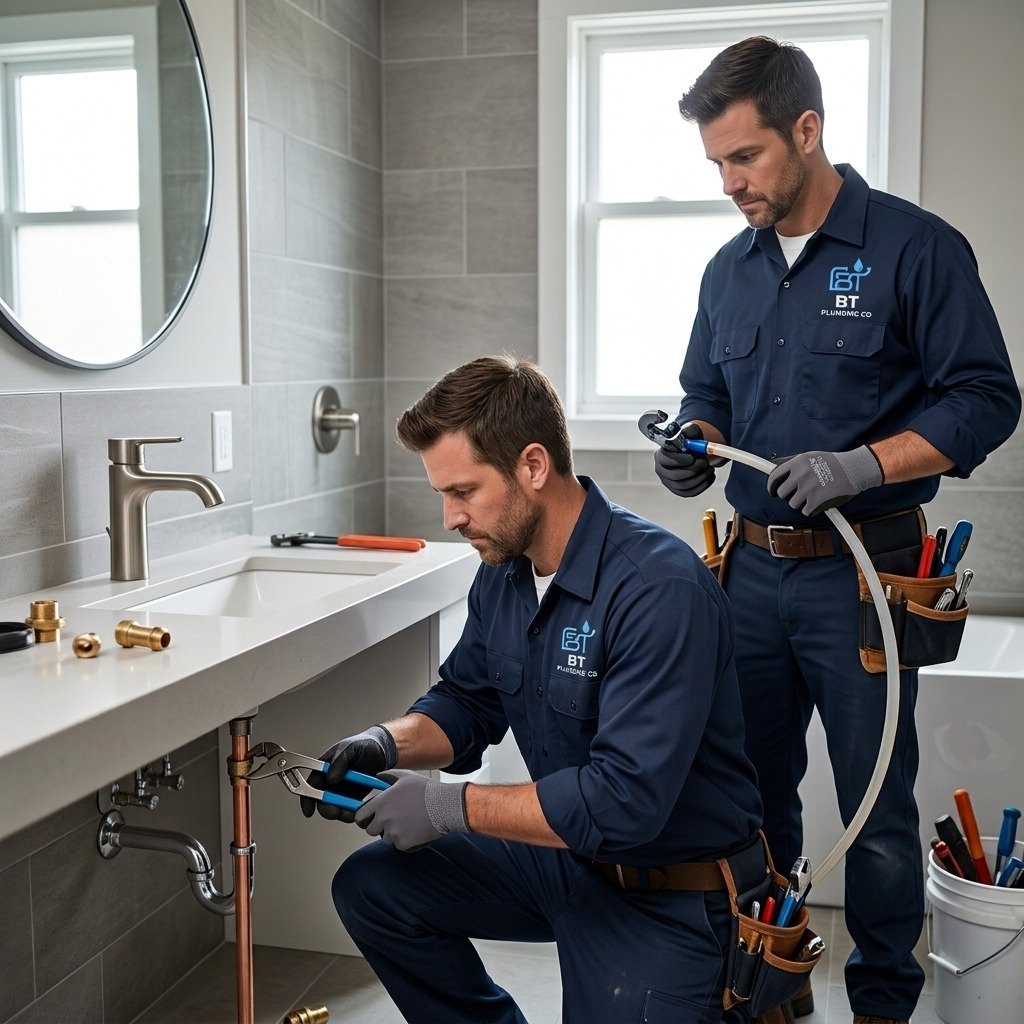
Faucets and shower fixtures in Simi Valley face constant exposure to high mineral concentrations. Calcium deposits seize up delicate ceramic disc cartridges, corrode decorative finishes, and obstruct flow aerators, resulting in erratic spray patterns and dripping spouts. When mineral buildup damages your internal seals, our master technicians provide comprehensive faucet, sink, and shower plumbing repairs and precision cartridge replacements.
3. Pipe Calcification & Pinhole Leaks
Over years of service, scale accumulates in concentric rings inside copper and galvanized steel water lines, shrinking an original 3/4-inch supply line down to a 3/8-inch opening. This restriction dramatically cuts household flow rates.
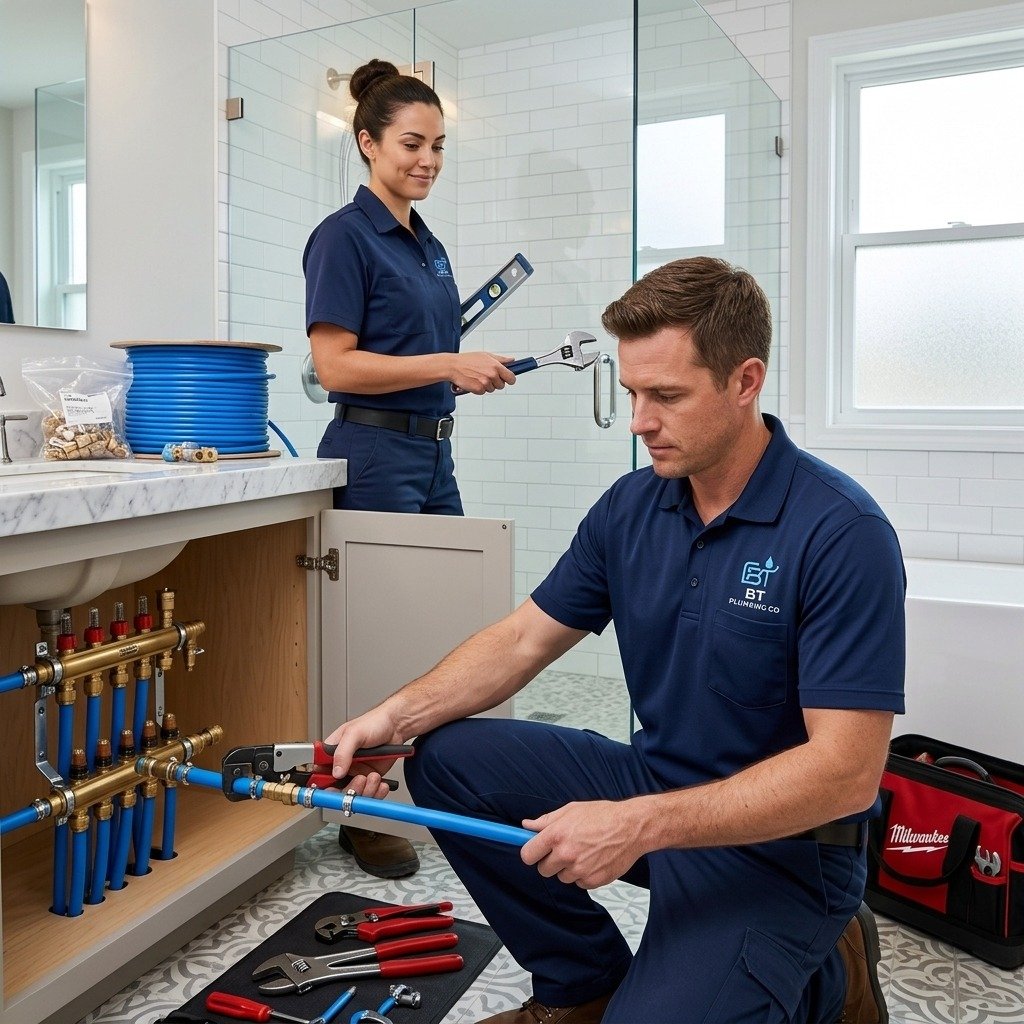
Furthermore, pitting corrosion from aggressive dissolved minerals frequently creates pinhole slab leaks beneath concrete foundations. When pipe interior walls deteriorate beyond repair, upgrading to modern PEX-a piping via our burst pipe repair and home repiping service provides permanent peace of mind and full water pressure restoration.
4. Concealed Slab Leaks & Foundation Risks
When hard minerals interact with water velocity and soil conditions beneath concrete slab foundations, pipe walls thin out and crack. Detecting these subterranean leaks early prevents massive structural damage. If your water bill spikes unexpectedly or you notice warm patches across your floorboards, our certified crew uses non-invasive electronic leak detection and pipe repair tools to pinpoint issues without tearing apart your home.
5. Chronic Drain Clogging from Soap Curd
Hard water doesn't just affect supply pipes—it also harms drainage networks. Calcium and magnesium ions chemically bind with soap and body oils, forming insoluble calcium stearate (soap curd). This sticky residue adheres to pipe interiors, catching hair and kitchen grease like glue and creating chronic, stubborn backups. In these cases, standard store-bought chemical drain cleaners only accelerate pipe corrosion; instead, professional drain cleaning and rooter hydro-jetting safely scours drain walls clean.
Comparing the Best Water Softener & Treatment Solutions
Installing a dedicated water conditioning system is the single most effective investment a Simi Valley homeowner can make to protect appliances, lower utility bills, and restore comfort.
Depending on your household size, water usage, and personal preferences, our licensed technicians install and calibrate dedicated whole-home water filtration and softener systems tailored specifically to Ventura County municipal water chemistry:
| Technology | How It Works | Best Suited For | Maintenance Requirements |
|---|---|---|---|
| Ion-Exchange Water Softener (Salt-Based) | Replaces calcium & magnesium ions with harmless sodium or potassium ions across a charged resin bed. | Homes with severe hardness (15+ GPG), spotty dishes, skin irritation, and high appliance loads. | Adding salt/potassium pellets to brine tank every 6–8 weeks; annual resin cleaning. |
| Template-Assisted Crystallization (TAC / Salt-Free) | Transforms dissolved minerals into inert microscopic crystal structures that cannot bond to pipe surfaces. | Homeowners on strict low-sodium diets or who prefer zero wastewater discharge. | Replacing the conditioning media cartridge every 2–3 years; no salt required. |
| Dual-Tank Water Softener | Alternates between two resin tanks so one is always softening while the other regenerates. | Large families, multi-bath homes, or high-volume water consumption in Simi Valley. | Refilling brine salt; uninterrupted 24/7 soft water supply. |
| Point-of-Use Reverse Osmosis (RO) | Multi-stage filtration pushing water through a semi-permeable membrane at the kitchen sink. | Pure, bottled-quality drinking and cooking water free from dissolved solids, chlorine, and PFAS. | Replacing pre-filters annually and RO membrane every 2–4 years. |
Ventura County Regulations on Water Softeners
A common question from Simi Valley residents is whether water softeners are restricted or banned. In parts of Southern California, older timer-based salt softeners were restricted because excessive brine discharges burdened municipal wastewater recycling plants.
However, modern high-efficiency, demand-initiated regeneration (DIR) water softeners are fully compliant. These intelligent units only regenerate when a calibrated gallon threshold is reached rather than on an arbitrary clock timer, slashing salt and water consumption by up to 50%. Our technicians ensure that every unit installed adheres strictly to local Ventura County environmental and plumbing codes.
Homeowner Checklist: Protecting Your Simi Valley Property Today
If you do not currently have a water softener installed, you can take immediate practical steps to mitigate mineral damage:
- Flush Your Water Heater Annually: Drain the sediment from the bottom of your water heater tank at least once or twice per year to clear loose mineral deposits.
- Descaling Vinegar Soaks: Soak bathroom aerators and showerheads in distilled white vinegar for 2 to 4 hours to dissolve surface crusting.
- Inspect Faucet Cartridges: Check for stiff faucet handles, which signal mineral crystallization grinding against internal rubber O-rings.
- Check Appliance Inlets: Clean the mesh inlet screens on your washing machine and dishwasher every 6 months to prevent mineral blockages.
- Schedule a Water Hardness Test: Have an experienced plumber verify your exact grains-per-gallon rating and test for chlorine levels.
Protect Your Simi Valley Home from Hard Water Damage
Don't let Ventura County's mineral-rich water silently destroy your expensive water heater, ruin your bathroom fixtures, or clog your pipes. Connect with our local team for upfront pricing, professional water testing, and custom softening installation.
Frequently Asked Questions About Simi Valley Hard Water
Is Simi Valley tap water safe to drink?
Yes, Simi Valley tap water meets or exceeds all state and federal Primary Drinking Water Standards established by the EPA and the California State Water Resources Control Board. Hard minerals like calcium and magnesium are dietary nutrients and do not pose a direct health hazard. However, they cause severe technical problems for plumbing, fixtures, and appliances.
What is the exact water hardness level in Simi Valley, CA?
Simi Valley water hardness generally ranges from 15 to 28+ grains per gallon (GPG), equivalent to roughly 260 to 480 milligrams per liter (mg/L). This level is categorized by the USGS as "Very Hard". Actual readings vary depending on whether your home is supplied by City Waterworks District No. 8 or Golden State Water Company, and seasonal groundwater blending ratios.
Are salt-based water softeners legal to install in Simi Valley?
Yes, modern Demand-Initiated Regeneration (DIR) water softeners that meet California energy and salt efficiency standards (at least 3,350 grains of hardness removed per pound of salt used) are legal in Simi Valley. Older timer-based softeners that flush brine on a fixed schedule are discouraged or restricted.
Will a water softener save me money on utility bills?
Yes. Soft water eliminates scale accumulation in water heaters, preserving their factory efficiency and reducing water heating energy consumption by up to 25–30%. It also extends the lifespan of washing machines, dishwashers, and plumbing fixtures by several years while cutting detergent and soap usage in half.
What is the difference between a water softener and a water filtration system?
A water softener specifically targets and removes dissolved calcium and magnesium ions that cause scale buildup. A water filtration system (such as activated carbon or reverse osmosis) removes chemical contaminants, chlorine, chloramines, sediment, microplastics, and heavy metals. For optimal water quality in Simi Valley, many homeowners install a combined filtration and softening setup.